Moving is commonly viewed as a stressful and highly personal experience, involving long days of packing, organizing, transporting belongings, and adjusting to unfamiliar surroundings. While professional moving companies handle the logistics of transportation and heavy lifting, many relocations also reveal something less visible but equally important: the strength of volunteer and community support networks. During moves involving families, churches, schools, nonprofit groups, military relocations, or emergency situations, moving crews often witness friends, neighbors, and volunteers stepping in to provide practical and emotional support throughout the process. These moments highlight how relocation is not only about changing locations but also about the relationships and communities surrounding the people making the transition.
Volunteers Often Help During Difficult Transitions
Many relocations happen during emotionally significant life events rather than simple household upgrades. Families may be moving because of job changes, financial hardship, medical situations, disaster recovery, or the need to care for relatives. In these moments, volunteer networks frequently play a major role in helping individuals manage the overwhelming demands of relocation. Friends may help pack belongings, churches may organize meal support, neighbors may assist with childcare, and local groups may donate furniture or supplies to ease the transition. Moving professionals often observe how these volunteer efforts help reduce stress for families facing difficult circumstances during major life changes.
Community Coordination Creates Smoother Moves
Volunteer support during relocations often involves a surprising level of coordination and teamwork. In some situations, community members organize schedules for packing assistance, transportation support, temporary housing, or donation drop-offs. Churches and nonprofit groups may help elderly residents downsize, while local volunteers assist families relocating after natural disasters or emergency situations. Even during standard residential moves, it is common to see relatives, coworkers, and neighbors helping organize belongings or prepare homes before moving day arrives. Companies such as Mountain Movers in Round Rock regularly encounter situations where strong community involvement helps make large or emotionally difficult relocations more manageable for everyone involved.
Emotional Support Matters as Much as Physical Help
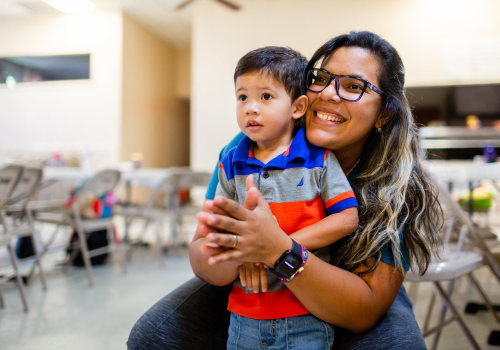
One of the less discussed aspects of volunteer networks during moves is the emotional reassurance they provide. Relocating can create feelings of uncertainty, exhaustion, and emotional stress, especially when families are leaving longtime homes or familiar communities behind. Volunteers often offer encouragement and companionship during these transitions, helping individuals feel less isolated throughout the process. Children adjusting to new schools, elderly residents leaving family homes, or individuals recovering from difficult life events may benefit greatly from the emotional support provided by community members during relocation efforts.
Churches and Nonprofits Frequently Assist With Relocations
Faith-based groups and nonprofit organizations are especially active in supporting relocation efforts for vulnerable individuals and families. Volunteers may help transport donated furniture, prepare temporary housing, organize moving supplies, or assist with unpacking after the move is complete. In cases involving disaster recovery, domestic transitions, or humanitarian support, volunteer networks often become essential parts of the relocation process. Moving crews working alongside these groups frequently witness how organized volunteer efforts can significantly reduce the burden placed on individuals facing difficult circumstances.
Large Moves Often Become Community Events
Some relocations naturally grow into larger community efforts because of the scale or significance of the move itself. Schools relocating classrooms, churches moving worship equipment, or families coordinating multi-generational moves may involve dozens of volunteers working together toward a common goal. In these situations, moving companies often serve as part of a broader support system involving volunteers, organizers, and local community leaders all contributing to the success of the transition. These collaborative efforts demonstrate how moving can bring people together rather than simply marking the end of one chapter.
Relocations Often Highlight Human Connection
While moving companies focus on transportation and logistics, they frequently witness the deeper human side of relocation through the volunteer support surrounding many moves. Community involvement reminds people that relocation is rarely faced entirely alone. Friends, neighbors, churches, and volunteer groups often step in quietly to provide practical help, emotional encouragement, and stability during uncertain times. These moments reveal how strong support networks can transform stressful relocations into experiences shaped not only by change but also by generosity, cooperation, and human connection.